Hot Cargo and Spray-In Bedliners: Check the Actual Service Limit
A process temperature is not a cargo rating. Check the actual installed coating system and the intended exposure before loading hot items.
On this page
Before putting hot equipment or recently heated materials into a lined truck bed, check the limits of the actual installed coating system. “Heat resistant” is not a complete answer, and a spray machine’s operating temperature is not a cargo-temperature rating.
This is researched planning guidance, not a heat test or approval to haul a particular item. If you cannot establish that the cargo and its handling method are suitable, do not use the bedliner as an experiment.
Identify which temperature you are reading
A technical sheet can contain several temperatures for different reasons: raw-material storage, application conditions, test conditions and service exposure. Keep the heading attached to the number.
For example, ArmorThane’s SureGrip TDS lists service temperature separately from initiation and viscosity conditions. That distinction is useful; copying a favorable number without its context is not. The sheet does not establish the suitability of every hot object or every liner sold under another name.
Describe the actual contact, not just the weather
An installer or manufacturer needs a clear description of the intended exposure. Prepare these details before asking for advice:
- The exact item or material you plan to carry.
- Whether it could contact the liner directly or through a container, mount or support.
- The expected contact temperature, how that information was obtained, and any uncertainty.
- How long the exposure could last and whether it will be repeated.
- Whether weight will be concentrated on small feet, edges or other contact points.
- The liner, primer and topcoat installed on the truck, including known repair areas.
If temperature is unknown, say so. Do not guess from whether something can be touched briefly, or assume that an object described as “cooled down” has reached the same condition throughout.
Ask about the complete system
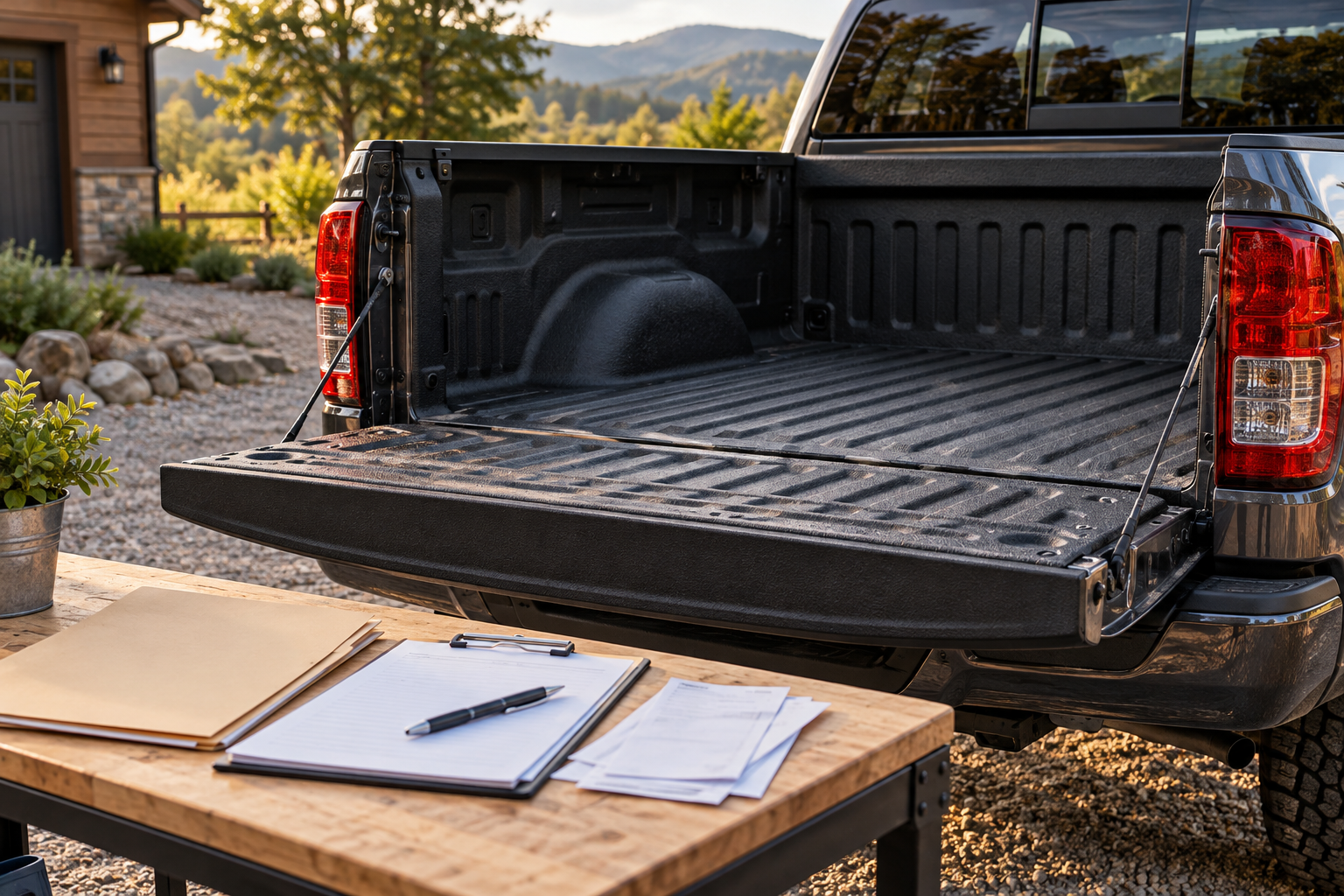
Provide the installation invoice or product record and ask for written guidance addressing the proposed use. A base liner and a later finish may have separate instructions. Repairs can also complicate identification. If you do not know what is on the truck, start with our coating-identification guide rather than selecting a temperature limit from a visually similar liner.
Useful questions are specific: Does the published limit cover this kind of direct contact? Is it continuous or brief exposure? Does the topcoat change the answer? What restrictions apply to the intended cargo? Ask for the supporting document, not only a verbal reassurance that the coating is tough.
Do not improvise a heat shield
A loose mat, board or sheet of metal is not automatically a validated solution. Ask the cargo-equipment manufacturer and coating supplier about the complete proposed arrangement, including transport and support requirements. Do not build a plan around operating heat-producing equipment in the truck bed; operation is a separate safety question governed by that equipment’s instructions.
Let the equipment cool and prepare it for transport as its manufacturer directs. Keep fire, fuel and ventilation questions separate from whether the coating might discolor. A liner’s material data is not a fire-safety approval for cargo or an equipment installation.
Keep load restraint a separate check
Even when an item is compatible with the liner, it still needs suitable restraint. NHTSA’s secure-load guidance emphasizes tying down loads and checking them before travel. Surface texture does not replace that work. Account for the vehicle’s limits, the cargo and the approved restraint arrangement rather than relying on friction alone.
If an exposure has already happened
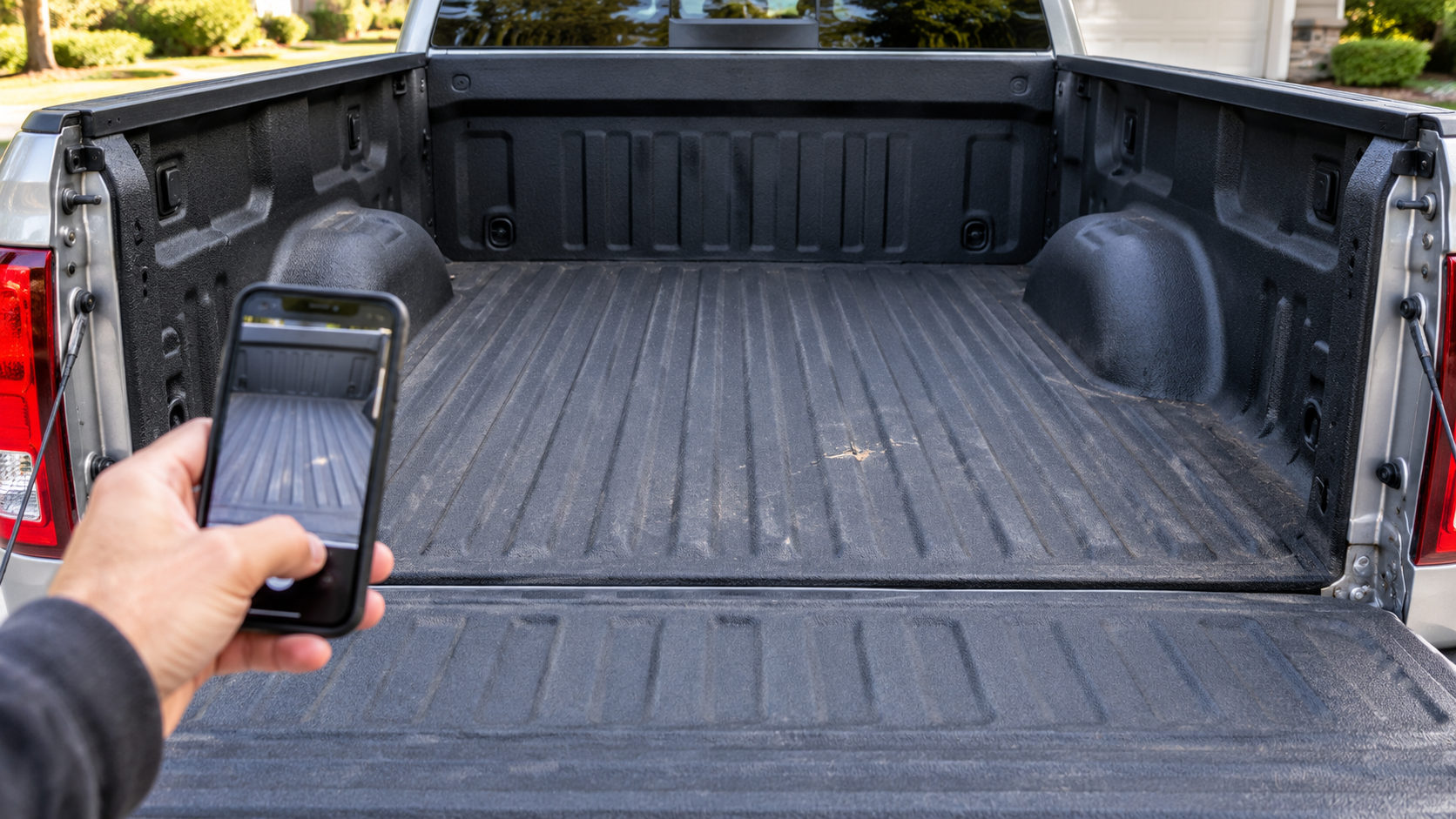
Stop the questionable use and preserve the product information and a factual record of what occurred. Once everything is safe and cool under the equipment’s instructions, photographs can help the installer assess visible changes. Do not sand, burn, solvent-clean or cover a damaged-looking area to see whether it improves. Ask the coating supplier or installer how to proceed.
The useful decision is not “which bedliner has the largest temperature number?” It is whether the documented limits of this installed system cover this particular use. When that answer is missing, choose a different, properly supported transport plan.
For help keeping the headings and test terms straight, use our bedliner data-sheet reference. It explains why service limits, cure milestones and laboratory properties answer different questions.