
Spray In Bedliner: The Complete Guide to Protecting Your Truck Bed
If you own a pickup truck, chances are you have thought about how to keep your truck bed from getting beat up. Hauling lumber, tossing in toolboxes, dragging heavy equipment across bare metal — it all takes a toll. That is where a spray in bedliner comes into play, and honestly, it might be one of the smartest investments you ever make for your vehicle.
I have spent years working around trucks and talking with owners who swear by their spray in bedliner coatings. Some folks went the DIY route, others paid a professional shop, and a few even tried the cheaper drop-in alternatives before switching over. The consensus? Nothing beats a professionally applied spray in bedliner for long-term protection and value.
What Exactly Is a Spray In Bedliner?
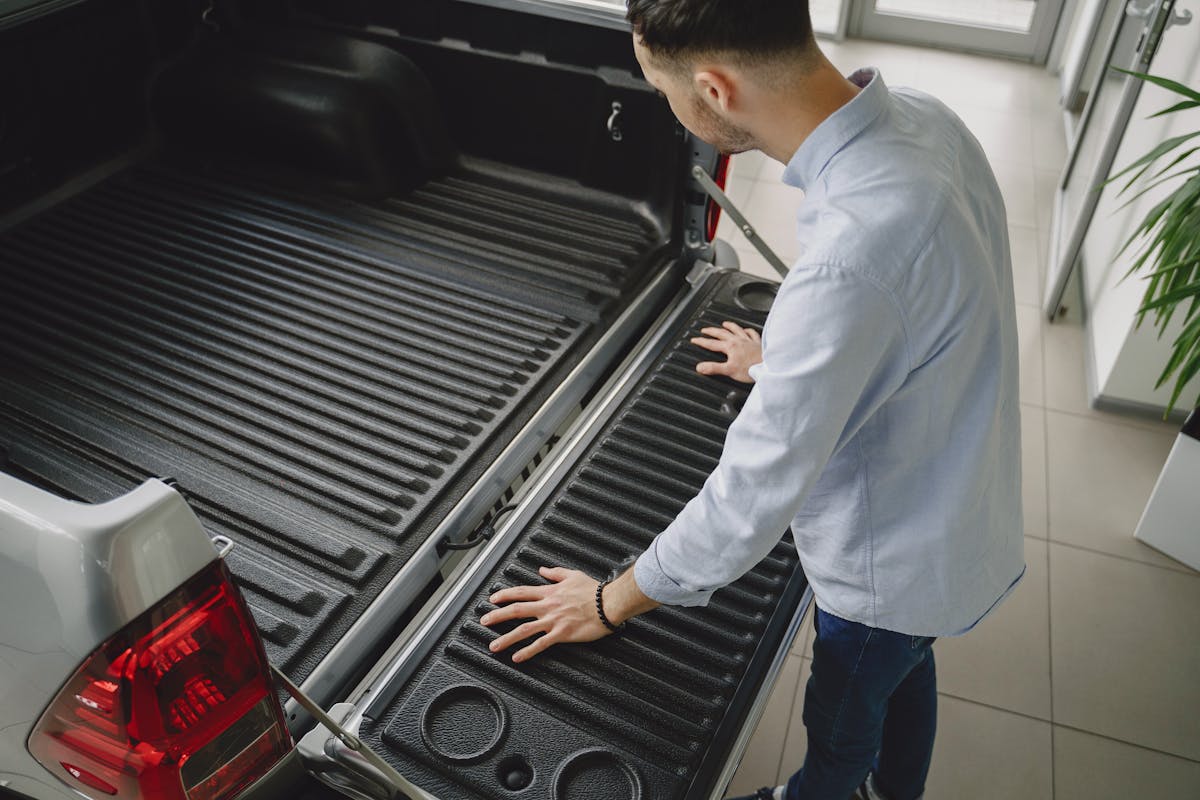
A spray in bedliner is a protective coating that gets applied directly onto the surface of your truck bed using specialized spray equipment. Unlike drop-in liners that sit loosely on top of the metal, a sprayed in bedliner bonds permanently to your truck bed and becomes part of the surface itself. The material — usually a polyurethane or polyurea blend — creates a thick, textured layer that absorbs impacts, resists scratches, and prevents moisture from reaching the bare metal underneath.
Think of it like this: a drop-in liner is a phone case, while a spray in bedliner is more like a screen protector bonded directly to the glass. One floats on top and can trap dirt and moisture beneath it. The other becomes one with the surface and leaves no gaps for water or debris to sneak through.
How a Spray In Bedliner Is Applied
The application process is more involved than most people realize, and that is actually a good thing. It means you are getting a custom-fitted protective coating rather than a one-size-fits-all solution. Here is what the typical process looks like when you take your truck to a qualified spray in bedliner shop:
First, the technician strips the truck bed down completely. Tailgate hardware, tie-down hooks, bed bolts — everything comes out. Then the real prep work begins. The entire bed surface gets sanded or scuffed to create a rough profile that the coating can grip onto. Any existing rust spots get treated, and the surface is cleaned with a solvent to remove oils, wax, and contaminants.
Next comes masking. Anything that should not get coated — like the exterior paint around the bed rails — is carefully taped off and protected. This step alone can take thirty minutes to an hour depending on the truck.
After prep, a primer or adhesion promoter is applied, followed by the actual spray in bedliner material. Professional applicators use heated plural-component spray systems that mix the chemicals at the gun tip. The material cures incredibly fast — sometimes within seconds of hitting the surface — which is why precision matters so much during this stage.
Most shops apply the coating to a thickness between 60 and 125 mils, depending on the product and the customer’s needs. After application, the liner needs a brief cure time before the hardware goes back in and you can drive away. Many spray in bedliner materials reach a functional cure within an hour, though full chemical cure can take up to 24 to 48 hours.

Spray In Bedliner vs Drop-In Bedliner: Which One Wins?
This debate comes up constantly in truck forums and parking lot conversations, so let me lay it out clearly based on what I have seen over the years.
Drop-in bedliners are those rigid plastic shells you see at auto parts stores. They are cheaper upfront — usually somewhere between $100 and $300 — and they do provide a basic layer of protection. But here is the problem: they trap moisture and debris between the liner and the bed. Over time, this trapped moisture causes rust and corrosion to form in exactly the places you cannot see. I have personally watched truck owners pull out their drop-in liners after two or three years only to find significant rust damage underneath.
A spray in bedliner, on the other hand, bonds directly to the metal. There are no gaps, no pockets where water can pool, and no sliding around when you load and unload cargo. The tradeoff is cost — a professional spray in bedliner typically runs between $400 and $700 for a standard application, with premium options climbing above $700 depending on the product and shop.
When you factor in the cost of repairing rust damage caused by a poorly installed drop-in liner, the spray in option almost always comes out ahead in the long run. You are protecting the structural integrity of your truck bed, maintaining resale value, and getting a cleaner look that actually enhances your vehicle’s appearance.
The Real Benefits of a Spray In Bedliner
People focus on scratch protection when they think about bedliners, and while that is certainly a factor, the benefits go way deeper than that. Here is what a quality spray in bedliner actually does for your truck:
Rust and corrosion prevention is the number one benefit, hands down. Your truck bed is constantly exposed to rain, snow, road salt, spilled liquids, and whatever else gets tossed back there. A spray in bedliner seals the metal completely, creating a waterproof barrier that stops oxidation before it starts. For truck owners in northern states where road salt is a way of life (the Federal Highway Administration reports millions of tons used annually), this alone makes the investment worthwhile.
Impact and abrasion resistance keeps your bed looking good even after years of heavy use. The thick, slightly flexible coating absorbs hits from tools, rocks, and equipment that would dent or scratch bare metal. I have seen spray in bedliners take direct hits from dropped cinder blocks without showing anything more than a minor scuff mark.
UV protection is something a lot of people overlook. Truck beds that sit exposed to sunlight day after day will fade and degrade over time. Quality spray in bedliner formulations contain UV stabilizers that resist fading and chalking, keeping the coating looking fresh for years.
Noise reduction is a surprisingly nice perk. If you have ever driven a truck with a bare metal bed, you know how loud it gets when cargo slides around. A spray in bedliner dampens vibrations and reduces the metallic rattling that drives truck owners crazy during everyday driving.
Non-slip surface texture helps keep your cargo in place. The rough, grippy finish of a spray in bedliner provides traction that prevents boxes, toolboxes, and loose items from sliding all over the place every time you hit the brakes or take a turn.
Improved resale value rounds out the list. A truck with a well-maintained spray in bedliner commands a higher price on the used market than one with a rusty, scratched-up bed. Buyers recognize the value of a protected truck bed, and it signals that the owner took care of the vehicle.
How Much Does a Spray In Bedliner Cost?
Cost is usually the first question truck owners ask, and the answer depends on several factors. A standard professional spray in bedliner application for a full-size truck bed typically falls in the $400 to $700 range. That covers prep work, masking, primer, application, and a standard-thickness coating in black or a dark color.
If you want a thicker application, custom color matching, or additional coverage areas like the tailgate exterior, wheel wells, or rocker panels, expect to pay more. Premium spray in bedliner jobs with extra features and higher-grade materials can range from $600 to over $1,000.
Here is a rough breakdown of what influences the price: the size of your truck bed matters — a short bed costs less to coat than a long bed simply because there is less surface area. The condition of your truck bed also factors in, since existing rust or damage that needs repair before the liner goes on adds labor time and cost. The specific product used by the shop plays a role as well, because higher-performance polyurea formulations tend to cost more than basic polyurethane coatings. Geographic location also affects pricing, with shops in larger metro areas typically charging a bit more than rural locations.
One thing I always tell truck owners: do not chase the cheapest spray in bedliner quote you can find. A low price often means corners are being cut during surface preparation, and poor prep leads to adhesion failure down the road. You will end up paying to fix peeling and bubbling, which defeats the whole purpose of getting the liner in the first place.
DIY Spray In Bedliner Kits: Are They Worth It?
The DIY bedliner market has grown a lot over the past decade, and I understand the appeal. Kits from well-known brands let you coat your own truck bed for somewhere between $75 and $200. That is a significant savings compared to professional application.
But here is the honest truth: DIY spray in bedliner kits are not the same product or application method as what professional shops use. Most DIY kits are single-component coatings applied with a standard spray gun or even a roller. They go on thinner, cure slower, and do not achieve the same level of adhesion or impact resistance as a professionally sprayed plural-component system.
That said, DIY kits can work well for truck owners on a tight budget, especially if the truck is an older work vehicle where cosmetic perfection is not a priority. The key is taking your time with surface preparation — sanding, cleaning, and priming thoroughly before you spray. Rushing the prep work is the single biggest reason DIY bedliner jobs fail.
If you are considering the DIY route, make sure you have access to a well-ventilated space, proper respirator equipment, and enough patience to let each coat cure before applying the next one. Plan on setting aside an entire weekend for the project, because doing it right takes longer than the product labels suggest.
Polyurethane vs Polyurea: Understanding the Chemistry
When you start shopping for a spray in bedliner, you will run into two main types of chemistry: polyurethane and polyurea. Both provide excellent protection, but they behave differently during and after application.
Polyurethane bedliners have been around longer and are well-proven in the market. They tend to be slightly more flexible than polyurea, which can be an advantage for absorbing impacts. However, polyurethane coatings are sensitive to moisture during application — if there is humidity in the air or moisture on the surface, it can cause bubbling and adhesion issues. Cure times are also longer, typically requiring several hours before the truck bed can handle any weight.
Polyurea bedliners represent newer technology and have gained massive popularity over the last fifteen years. They cure much faster — often within seconds of application — and are far less sensitive to moisture and temperature during spraying. Polyurea coatings also tend to be harder and more abrasion-resistant, making them a favorite for commercial and heavy-duty applications.
Many modern spray in bedliner products are actually hybrid blends that combine polyurethane and polyurea chemistry to get the best properties of both. When you are evaluating shops, ask what specific product they use and look into the manufacturer’s specifications for tensile strength, elongation, and adhesion ratings. These numbers tell you a lot more about real-world performance than marketing buzzwords do.

How to Choose the Right Spray In Bedliner Shop
Finding a qualified applicator is just as important as choosing the right product. We have written a comprehensive guide on how to select a qualified truck bed liner company that covers this in even more detail. A poorly applied spray in bedliner will peel, bubble, and fail regardless of how premium the material is. Here is what to look for when evaluating shops in your area:
Ask to see examples of their previous work, either in person or through photos. A reputable shop will be proud to show off clean, even coatings with crisp masking lines and consistent texture. Watch out for shops that rush through prep work or skip the sanding and priming steps — these are red flags that suggest the coating will not bond properly.
Check whether the shop is an authorized applicator for a recognized spray in bedliner brand. Authorized dealers receive training directly from the coating manufacturer and use properly maintained equipment that meets the product’s application specifications. This matters because spray in bedliner materials require precise temperature, pressure, and mixing ratios to perform correctly.
Read online reviews and ask for references from past customers. Pay attention to reviews that mention durability after six months or a year — initial satisfaction does not always predict long-term performance. A spray in bedliner should last the life of your truck if it is applied correctly.
Finally, ask about the warranty. Most professional spray in bedliner shops offer warranties ranging from lifetime coverage to several years. Make sure you understand what the warranty covers — some only cover peeling and adhesion failure, while others include protection against UV damage and material defects.
Common Spray In Bedliner Problems and How to Avoid Them
Even with the best products available, spray in bedliner issues do pop up from time to time. Understanding the most common problems helps you know what to watch for and how to prevent them.
Peeling or delamination happens when the coating loses adhesion to the truck bed surface. This is almost always caused by inadequate surface preparation — the bed was not sanded properly, contaminants were left on the surface, or primer was skipped. A good applicator will spend as much time on prep as on the actual spraying. If your liner starts peeling within the first year, the prep work was likely the culprit.
Bubbling typically results from moisture trapped beneath the coating during application. This is more common with polyurethane-based products sprayed in humid conditions. Experienced applicators know to check humidity levels and ensure the truck bed surface is completely dry before spraying.
Uneven texture or thin spots come from inconsistent application technique. If the spray gun is held too far from the surface or moved too quickly, the coating goes on too thin in certain areas. A skilled technician maintains a consistent distance and speed throughout the entire application, building up even layers across the whole bed.
Color fading or chalking can occur over time, especially with coatings that lack UV stabilizers. Black spray in bedliners may develop a grayish or whitish haze after years of sun exposure. Choosing a product with built-in UV protection significantly reduces this issue, and periodic application of a UV protectant spray can help maintain the appearance.
Spray In Bedliner for More Than Just Truck Beds
One of the things that surprises a lot of people is how versatile spray in bedliner coatings really are. The same material that protects your truck bed can be applied to a wide range of surfaces and vehicles. Here are some of the most popular alternative uses:
Jeep owners love spray in bedliner for coating tub liners, fender flares, and rocker panels. The tough, textured finish stands up to trail abuse and gives Jeeps that rugged look that matches the off-road lifestyle. Some owners even coat their entire Jeep exterior for the ultimate weather and rock chip protection.
Boat trailers benefit enormously from spray in bedliner coatings because they are constantly exposed to water, salt, and road debris. A quality coating prevents rust and extends the life of a trailer that would otherwise corrode quickly in marine environments.
Utility trailers, horse trailers, equipment cases, toolboxes, ATV skid plates, and even industrial flooring are all common applications for spray in bedliner materials. If something needs to be tough, waterproof, and resistant to abrasion, there is a good chance a spray in bedliner coating can handle the job.
How Long Does a Spray In Bedliner Last?
When applied correctly by a qualified professional, a spray in bedliner should last the lifetime of your truck. That is not marketing hype — it is the reality for properly prepped and applied coatings. The key factors that determine longevity include the quality of the surface preparation, the thickness of the applied coating, the specific product chemistry, and the conditions the truck bed is exposed to over time.
Trucks that see extremely heavy commercial use — think landscaping companies dumping rocks and gravel daily — will show wear in high-traffic areas sooner than a truck that hauls groceries and camping gear on weekends. Even in heavy-use scenarios, though, a well-applied spray in bedliner holds up remarkably well. Most shops will touch up any worn spots under warranty at no charge.
The lifespan advantage over drop-in liners is enormous. Drop-in bedliners crack, warp, and lose their fit after a few years. They also trap moisture that causes hidden rust damage. A spray in bedliner avoids all of these problems because it is chemically bonded to the surface and moves with the metal rather than fighting against it.
Maintaining Your Spray In Bedliner
The good news about spray in bedliner maintenance is that there really is not much to do. These coatings are designed to be tough and low-maintenance by nature. That said, a few simple habits will keep your liner looking great and performing at its best for years to come.
Rinse your truck bed regularly, especially after hauling anything that could stain or leave residue. Chemicals, fertilizers, and acidic materials can discolor the surface if left sitting for extended periods. A quick rinse with a garden hose is usually all it takes. For tougher grime, a mild soap and a stiff-bristled brush will clean things up without damaging the coating.
Avoid using harsh chemical cleaners or high-concentration degreasers directly on the bedliner surface. While spray in bedliners are chemical resistant, prolonged exposure to aggressive solvents can degrade some coating formulations over time. Stick with automotive-grade cleaning products and you will be fine.
If your liner develops any chips or gouges from extremely heavy impacts, most spray in bedliner products have touch-up kits available or your local applicator can spot-repair the damage. Addressing small damage quickly prevents moisture from getting underneath the coating and causing adhesion issues.
Frequently Asked Questions About Spray In Bedliners
Can a spray in bedliner be applied over existing rust?
Minor surface rust can be sanded away and treated before application, but heavy rust or through-holes need to be repaired with metalwork first. Spraying over active rust without proper treatment is a recipe for adhesion failure.
Does a spray in bedliner add weight to the truck?
A typical application adds roughly 40 to 60 pounds to the truck bed, which is negligible for most vehicles. The weight comes from the thickness of the coating spread across the entire bed surface.
Can I choose a custom color for my spray in bedliner?
Yes, many professional shops offer color-matched and custom-colored spray in bedliner options. Matching your truck’s paint color gives a sleek, factory-look finish that many owners prefer over the standard black or dark gray.
Will a spray in bedliner void my truck’s warranty?
In the vast majority of cases, no. Spray in bedliner coatings are a widely accepted aftermarket modification. However, if a warranty claim involves damage directly caused by the liner installation — like a drill hole that lets water into the frame — that specific claim could be affected.
How long do I have to wait before using my truck bed after application?
Most spray in bedliner materials reach a functional cure within one to four hours, meaning you can place light items in the bed. Full cure typically takes 24 to 48 hours, and it is best to wait the full period before loading heavy equipment or dragging items across the surface.
Can a spray in bedliner be removed?
Technically yes, but it requires aggressive sanding, grinding, or chemical stripping and is labor-intensive. Spray in bedliners are designed to be permanent, so plan on keeping the coating for the life of the vehicle.
Making the Right Decision for Your Truck
At the end of the day, investing in a spray in bedliner comes down to how much you value your truck and how long you want it to last. If you plan on keeping your truck for more than a couple of years — and especially if you use it for actual work — the protection a spray in bedliner provides is difficult to beat.
The upfront cost pays for itself through rust prevention alone, and the added benefits of impact resistance, noise reduction, and improved resale value make it an easy call for most truck owners. Whether you choose to go with a professional applicator or tackle a DIY kit on your own, protecting your truck bed with a quality spray in bedliner is one of those decisions you will never regret. For more on protecting your investment, check out our guide on why every truck owner needs a bedliner.
Take the time to research applicators in your area, ask questions about their process and products, and do not be afraid to spend a little more for quality workmanship. Your truck works hard for you — a spray in bedliner is how you return the favor.
0 comments